


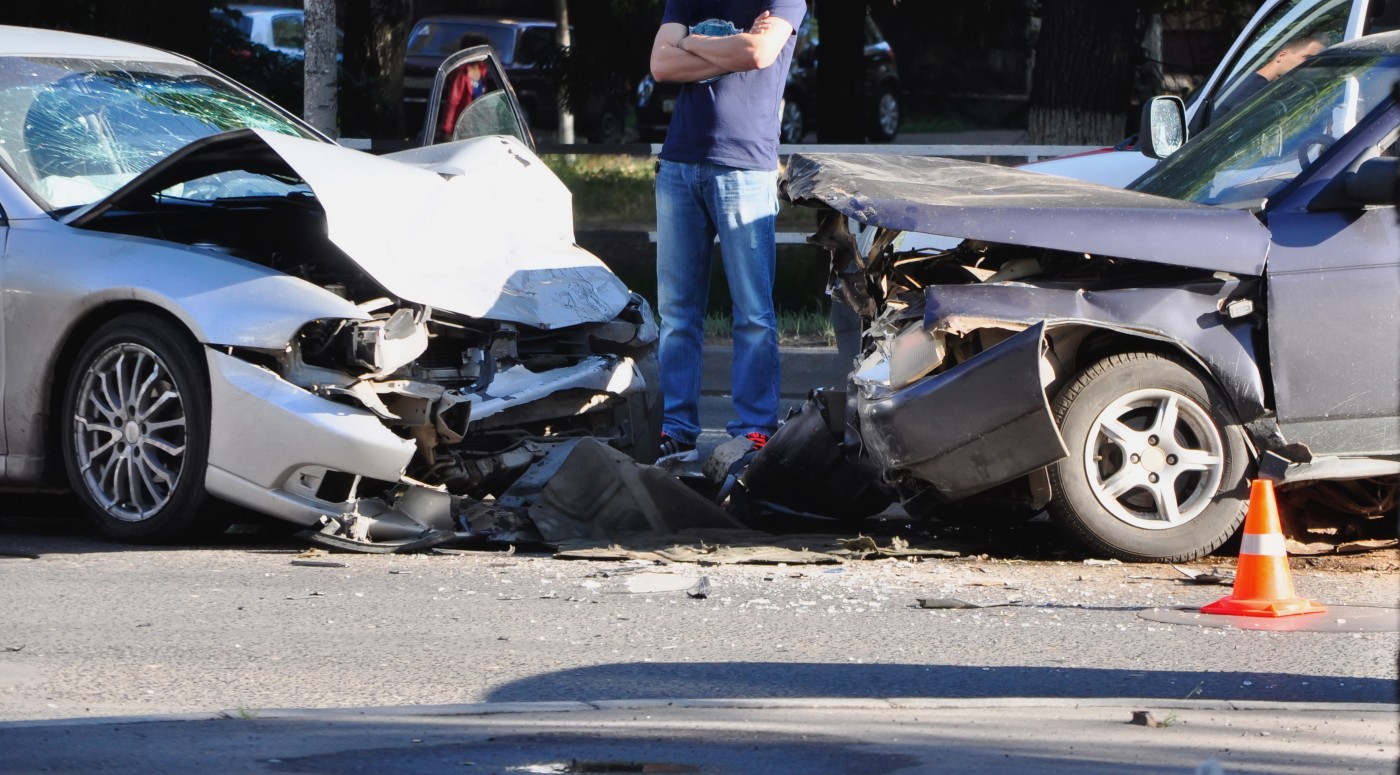
Accident reconstruction experts apply rigorous physics, forensic engineering, and digital telemetry to transform raw collision evidence into an undeniable timeline of crash causation. When two or more vehicles collide, the physical debris, tire marks, and onboard computer records contain the exact scientific proof needed to determine speed, braking points, impact angles, and driver behavior. Rather than relying on conflicting witness statements, attorneys, insurers, and courts lean on these forensic specialists to calculate the precise mechanics of a crash. By methodically reconstructing every fraction of a second leading up to an impact, experts uncover who was truly at fault and how the collision occurred.
Physical Roadway Evidence and Tire Mark Analysis
The roadway itself serves as a primary source of physical evidence immediately following a motor vehicle collision. Reconstruction experts analyze tire marks left on the pavement to determine initial travel speeds, deceleration rates, and emergency braking locations. Skid marks occur when a locked tire slides across asphalt, leaving behind heated rubber, whereas yaw marks indicate a vehicle spinning out of control while still rolling.
Measuring the precise length and radius of these tire marks allows engineers to apply mathematical friction equations to establish minimum impact speeds. Gouge marks in the pavement, fluid trails from ruptured engine blocks, and final vehicle resting positions further map out the exact sequence of events. Capturing this evidence quickly is essential, as rain, traffic, and road repairs can erase these physical clues within hours.
Vehicle Damage Inspection and Deformation Energy
Modern vehicles are built with engineered crush zones designed to absorb kinetic energy during an impact. Reconstruction specialists conduct meticulous physical inspections of damaged vehicles, measuring the depth and location of structural deformation down to the millimeter. Comparing this crush damage against controlled barrier crash test data reveals the minimum amount of energy required to cause that specific level of structural bending.
Impact angles, paint transfer, and glass shatter patterns reveal how the vehicles made contact and bounced apart. Matching opposing damage profiles helps experts verify whether a vehicle was moving, stationary, or turning when the collision occurred. This structural analysis prevents at-fault drivers from falsely claiming they were struck at low speeds or that a pre-existing dent was caused by the crash.
Event Data Recorders and Digital Telemetry Analysis
Virtually every modern passenger vehicle contains an Event Data Recorder, commonly referred to as a car black box. Mounted within the airbag control module, this electronic device continuously monitors vehicle sensor networks and permanently stores data when an impact triggers airbag deployment or pretensioner activation. Experts extract this raw data to examine the exact five-second window immediately preceding a collision.
Black box downloads provide unvarnished factual data regarding vehicle speed, throttle position, brake application, steering wheel angle, and seatbelt usage. Comparing the telemetry of both vehicles eliminates he-said-she-said arguments regarding who had the right of way or whether a driver attempted to stop. Commercial trucks carry even more sophisticated telematics systems, logging real-time engine activity, driver hours, lane departure warnings, and automated collision mitigation braking events.
Human Factors Engineering and Perception-Reaction Time
Establishing crash causation requires evaluating how a human operator responded to an unfolding hazard on the road. Human factors engineering assesses perception-reaction time, which measures the period between a driver recognizing a dangerous situation and physically applying the brakes or swerving. Standard forensic calculations account for average perception-reaction delays alongside environmental factors like night visibility, glare, and road weather conditions.
Experts evaluate line-of-sight obstructions, roadside signage, and headlight coverage to determine whether a driver had sufficient time and distance to avoid the impact. If the mathematical physics prove an attentive driver could have stopped cleanly, the expert can establish that driver distraction, phone use, or intoxication caused a delayed reaction that made the crash unavoidable.
Conclusion
An accident reconstruction expert provides the definitive bridge between raw physical destruction and scientific truth following a vehicle crash. By meticulously collecting roadway debris patterns, extracting electronic black box telemetry, measuring vehicle crush depths, and applying proven physics formulas, these specialists eliminate guesswork from fault determination. Their objective analysis identifies specific contributing factors like speeding, delayed braking, or illegal turns, turning complex physical evidence into clear, understandable legal proof. Ultimately, the work of crash reconstruction experts ensures that liability rests on verifiable scientific facts, helping victims secure justice and fair compensation.

Comments are closed.